Croatia’s grape harvest moves into August as climate changes reshape vineyards
Croatia Week · Croatiaweek · 2026-08-23T07:25:21+00:00 · nguồn gốc
Croatia’s grape harvest moves into August as climate changes reshape vineyards
- by croatiaweek
- in News
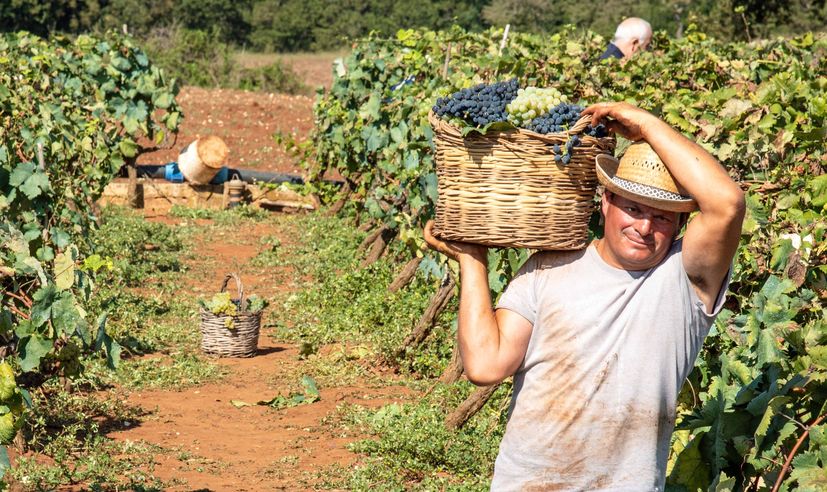
ZAGREB, 23 August 2026 (Hina) – Grape harvests in central Croatia are increasingly starting in August rather than September, with warmer winters, earlier vegetation and changing rainfall patterns accelerating the ripening of grapes.
The Bregovita Hrvatska wine association, which brings together winemakers and growers from nine counties and the City of Zagreb, said this year’s harvest in the central hilly wine-growing region began last week.
Winemakers say the earlier harvest has become a “race against time”, as grapes need to be picked quickly when their characteristics are at the optimum level for winemaking.
Luka Košćak, a winemaker from Novi Marof, said the earliest harvest he had experienced began on 14 August, both this year and in 2018.
“Winters have become milder, the beginning of vegetation comes earlier and the distribution of rainfall throughout the year is changing. Grapes ripen faster and are forcing us into earlier harvests,” he said.
This year’s yields are expected to be lower, but the quality of the grapes is good, Košćak said, adding that conditions could favour premium wines with longer ageing potential. Sparkling wines from this year are also expected to be more complex and fuller-bodied than last year.
On Plešivica, one of Croatia’s best-known wine regions, harvesting has also begun earlier. Growers are picking grapes to preserve acidity, an important element in the production of quality wines.
Winemaker Nikola Šember said there was less fruit than last year, but described the crop as healthy and of high quality. He singled out Žuti plavec, an indigenous Croatian variety, as performing particularly well under current weather conditions.
Other varieties are still ripening. David Štampar from Sveti Urban said growers were adapting through measures including improving soil moisture retention with humus and planting grass between vineyard rows.
Some vineyards were damaged by hail this summer, but Štampar said the remaining grapes were healthy and preparations for harvesting were under way.
Bregovita Hrvatska said most vineyards had coped successfully with a prolonged dry period, although young vineyards were more vulnerable and required additional watering.
The association expects climate adaptation to become increasingly important, including the introduction of additional agrotechnical measures in Croatian vineyards. Indigenous varieties appear to be coping relatively well, but growers also need to maintain the quality of international varieties that are important to the market.