APR’s Super Cup withdrawal leaves a bigger question for FA: Was dialogue exhausted?
The New Times · Hamza Nkuutu · 2026-08-20T22:02:24+00:00 · nguồn gốc
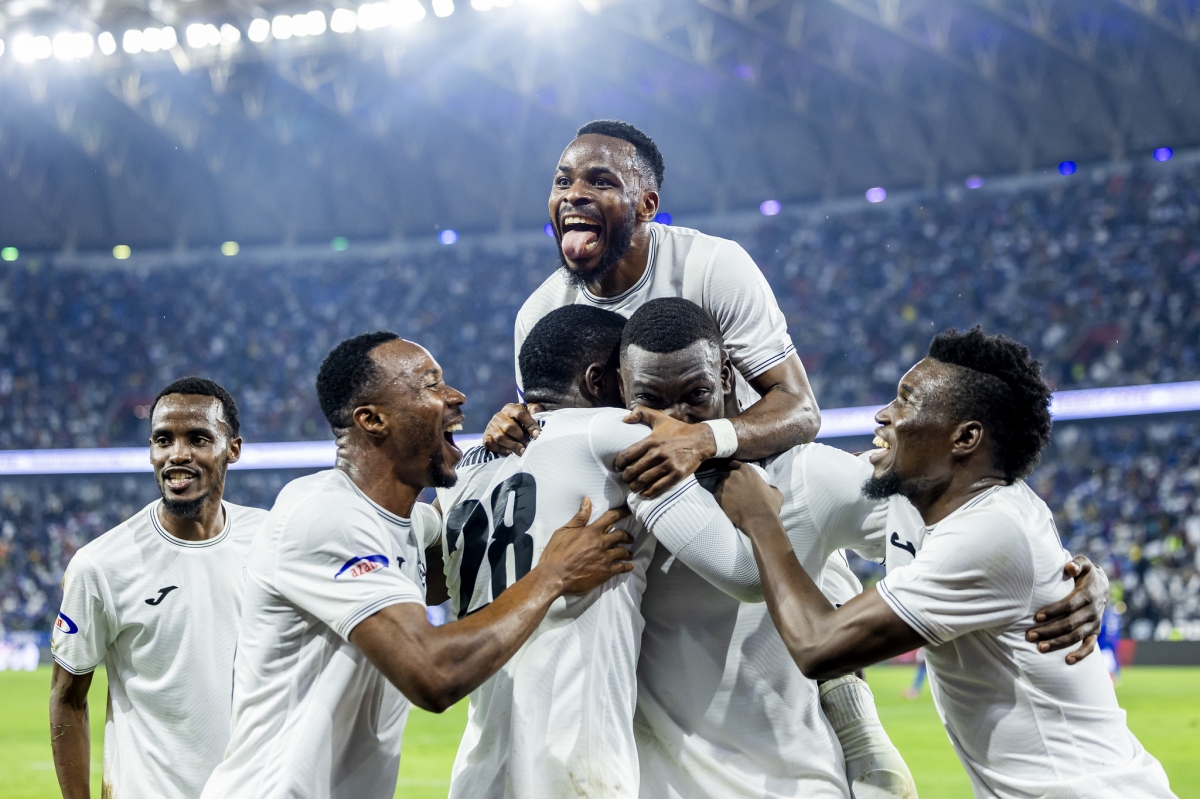
APR Football Club’s decision to pull out of the 2026 FERWAFA Super Cup is bigger than a club refusing to play a football match. Could there be more to this dispute than meets the eye? Could it be a warning about the state of the relationship between Rwanda’s most powerful club and the country’s football governing body? On the face of it, FERWAFA has the right to modernise its competitions. APR has the responsibility to take the competition seriously but also has the right not to be arm-twisted to compete under uncomfortable conditions. Expanding the Super Cup from the traditional meeting between the league and Peace Cup winners into a four-team tournament can be defended as an attempt to make the competition more competitive and commercially attractive. FERWAFA announced that the 2026 edition would involve APR FC, Rayon Sports, Police FC and Kiyovu Sports. But the problem is not necessarily the four-team format. It is how the change was introduced, according to APR, who are also Super Cup reigning champions. APR’s argument is that a major structural change was made without sufficient prior consultation, while the club also has unresolved grievances over prize money/awards from last season. If that account is accurate, APR has a legitimate complaint about process, even if one disagrees with the decision to withdraw. FERWAFA, meanwhile, is entitled to argue that it is the regulator and therefore must retain the authority to develop its competitions. But governing football is not only about having the power to make decisions. It is also about bringing clubs along. That is where the Rwandan FA risks losing this argument. The 2025 Super Cup showed precisely why APR matters to this competition. Played on January 10, 2026, APR demolished Rayon Sports 4–1 in front of a large crowd at Amahoro Stadium. The match had the rivalry, star power and atmosphere that make the Super Cup commercially meaningful. Take APR out, and the tournament loses its biggest attraction. That does not mean Mukura Victory Sports, Kiyovu, Police and Rayon cannot produce good football. They can. Nor should the Super Cup become a competition whose value depends entirely on APR. But there is a commercial reality that cannot be ignored: APR brings supporters, attention and anticipation. Also pedigree, if you like. FERWAFA could therefore lose more than one participant. It could lose part of the audience. APR, however, is not completely free of blame — the club will miss valuable competitive preparation against leading domestic opposition less than a fortnight before the new season gets underway. That doesn't mean they can't get other high profile pre-season friendlies elsewhere. A four-team Super Cup would have given the defending champions two meaningful matches instead of one, allowing the coaching staff to assess the squad before the league campaign. APR also loses the opportunity to defend a trophy it won emphatically last time out. I do not believe money is the real issue for APR. The Super Cup prize was doubled ahead of the 2025 edition, with the winner receiving Rwf20 million and the runner-up Rwf10 million. The purse is expected to increase this year, according to some media reports, to a round Rwf30 million. Whether its the money motivation or not, the bigger question therefore is, why Rayon, Police and Kiyovu accepted the change. The answer may simply be that their calculation is different. For clubs outside APR’s financial comfort zone, an chance to play in a high-profile competition, earn participation money, test new players and compete for a trophy and earn close to Rwf30 million as champion is difficult to reject. Mukura’s acceptance is even more understandable; replacing the champions gives the Hue-based club an unexpected chance to face Rwanda’s biggest sides and test their squad ahead of the new season. So who is the biggest loser when FERWAFA and APR disagree? The competition is. And the fans. APR can move on. The other four clubs can still contest the trophy. FERWAFA can stage its new tournament. But the Super Cup loses some of its prestige and spectacle when the defending champion and Rwanda’s biggest brand is absent. More seriously, the relationship between APR and FERWAFA now needs careful handling. Neither side benefits from allowing this dispute to become institutional warfare. No one wins. Will APR return next year? I suspect it will — but only if the relationship is repaired. Even if FERWAFA retains the four-team format, APR is unlikely to permanently boycott a competition it values for its stature and competitive edge. Nonetheless, the club will want assurances that major changes will be communicated and discussed before they are implemented. The lesson for FERWAFA is simple: authority should not replace consultation. Was there enough dialogue between/among all parties. And the lesson for APR is equally important: withdrawal can make a point, but dialogue is ultimately more powerful. The FERWAFA Super Cup needs APR. APR needs meaningful domestic competition. And Rwandan football needs both institutions working together, not testing how far apart they can stand.