Tennis stars finally get a seat at the table as Grand Slams respond to prize money revolt
Tennisuptodate.com · Cristhián Avila · 2026-08-20T01:49:08+00:00 · nguồn gốc
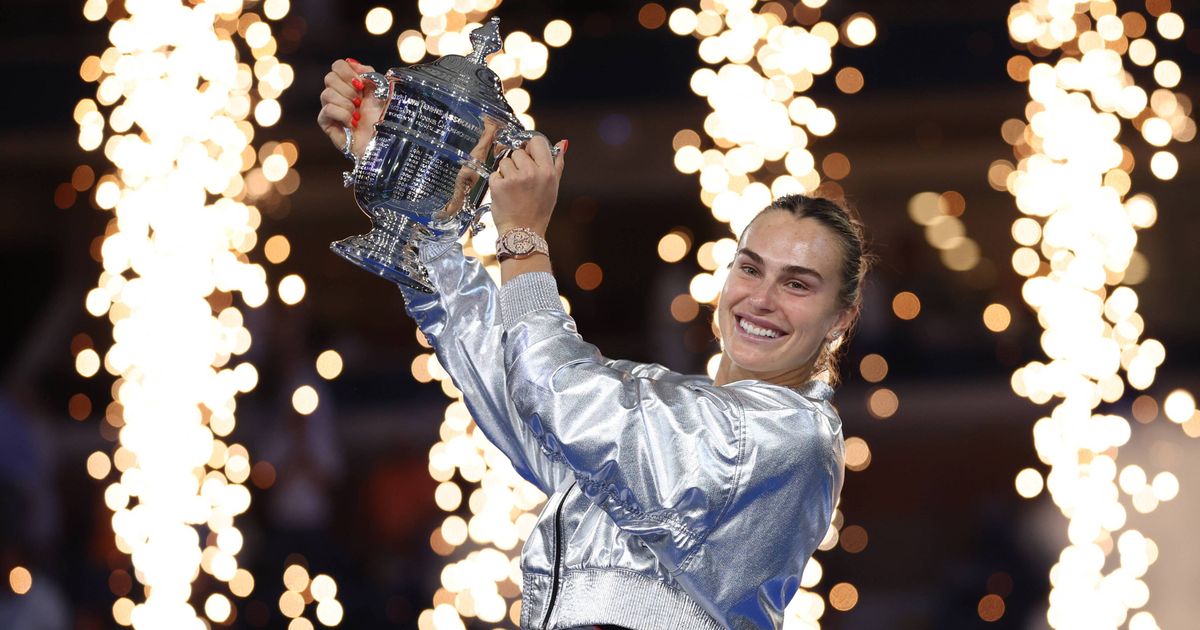
Tennis players are finally set to get a seat at the table. After almost 18 months of growing tension over prize money, representation and the way the sport's biggest tournaments share their revenues, the four Grand Slam events have agreed to establish a formal Player Advisory Council.
The move marks a significant shift in a dispute that has brought some of the biggest names in tennis into direct conflict with the Slams. Jannik Sinner, Aryna Sabalenka and other leading players have pushed for a greater share of tournament revenues, alongside stronger representation and improved player welfare.
The disagreement escalated during the 2026 French Open, when members of the world's top 10 on both tours
limited their contracted media obligations. A similar action was considered for Wimbledon before late negotiations prevented it, while players have also discussed further action around the
US Open.
Now, rather than simply responding with another increase in prize money, the Grand Slams are preparing to give players a formal mechanism through which they can influence decisions. The timing is particularly significant with the US Open approaching and the tournament expected to announce a prize pool exceeding $100 million for the first time.
From prize money demands to a seat at the table
The central financial disagreement is not simply about how much players earn. The leading players want the Grand Slams to move closer to the model used by the ATP and WTA tours, which allocates around 22% of revenues to prize money. Wimbledon, despite increasing its purse to a record £64.2 million in 2026, was still allocating roughly 14.4% of its total revenue to prize money.
The proposed council could therefore become just as important as the size of the next prize pool according to
The Guardian. Players are expected to have a say in how their representatives are selected and how much influence those representatives have over Grand Slam decision-making. The ATP and WTA already operate player councils whose members are elected by their peers for fixed terms.
That distinction matters because the players have previously rejected proposals they felt did not give them meaningful influence. The new structure is intended to move the relationship away from sporadic negotiations and towards a more permanent channel between the Slams and those competing in them.
The US Open becomes the next test
The announcement comes with Flushing Meadows preparing to become the next battleground. Last year's US Open prize pool stood at $90 million, while expectations are that the 2026 edition will pass the $100 million mark. The USTA is now under the leadership of Craig Tiley, adding another layer to negotiations surrounding the tournament.
But the players have not yet given the new arrangement a blank cheque. They are still waiting for details on how the council will operate, who will be represented and how much authority it will actually have. A further media boycott at the US Open remains possible if the prize money announcement fails to satisfy them.
The immediate result is therefore not the end of tennis' prize money dispute. It is something potentially more consequential: the beginning of a new structure in which the players are no longer simply asking the Grand Slams to listen, but are being given a formal place from which to negotiate.