SF infectious disease expert says it’s a ‘bad year’ for West Nile virus
SFGATE · Gillian Mohney · 2026-08-18T15:50:08+00:00 · nguồn gốc
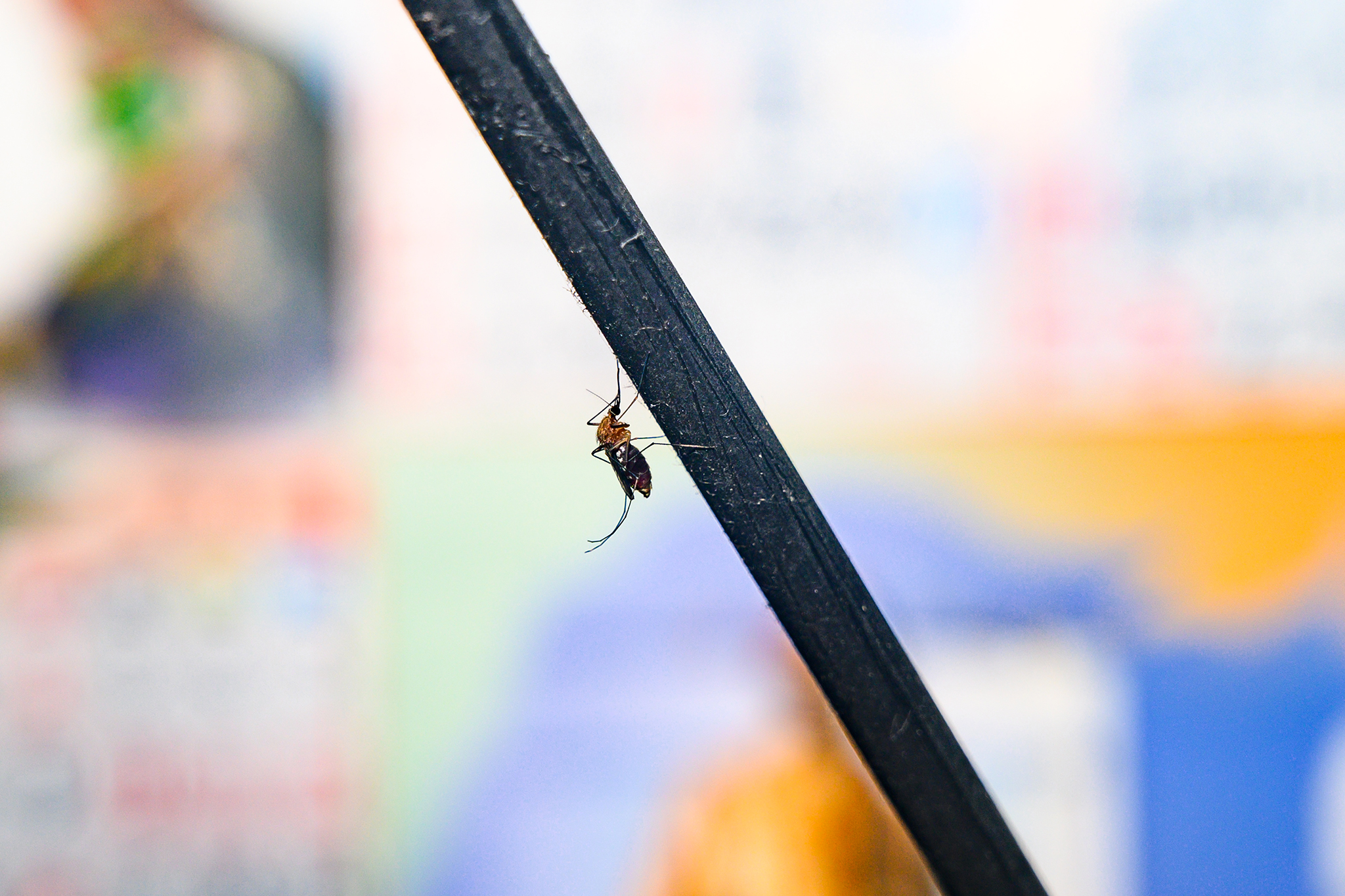
Cases of the mosquito-borne West Nile disease are rising quickly in California this year, with 30 people sickened so far, nearly triple the five-year average for the same time period, according to the California Department of Public Health.
So far, three people have died from the disease, with all fatalities reported this month.
Advertisement
Article continues below this ad
West Nile disease is a virus spread by mosquitoes. While the disease mainly circulates among infected birds, mosquitoes can spread the disease to humans after biting an infected bird and then biting a person.
Dr. Peter Chin-Hong, an infectious disease expert at UC San Francisco, said these severe cases are just the “tip of the iceberg” of total West Nile cases in the state. He explained that close to 80% of people with the virus won’t have symptoms.
“Of all the people who get West Nile, about 20% get a fever or know they’re sick,” Chin-Hong said.
The CDPH estimates about 1% of West Nile cases are “neuroinvasive,” where the virus attacks the nervous system; however, these cases are more likely to be reported due to the severity of symptoms.
Advertisement
Article continues below this ad
Chin-Hong said signs are pointing to a “bad year” for West Nile, with the CDPH identifying 373 dead birds with the disease compared with just 76 at the same time last year.
Dr. Matt Willis, an epidemiologist and the former public health officer for Marin County, told SFGATE that weather patterns, including a warm winter and recording-breaking heat in the spring, set the stage for a high number of human cases this year.
“Less mosquitoes were dying off in the wintertime, so we kind of hit spring with a much larger population than we normally do,” Willis said. “And then with record-high spring temperatures, those mosquitoes were reproducing more quickly, and the virus itself also reproduces more quickly.”
Willis said the virus is normally spread between birds and mosquitoes, but humans get caught in the mix as we venture outside and get bit by infected mosquitoes.
Advertisement
Article continues below this ad
“I think we should probably expect that this is just going to be a more serious year overall in terms of the total burden of cases,” he said.
Currently, about 93% of reported West Nile cases in California have included “neuroinvasive” symptoms. About 1 in 10 patients with neuroinvasive West Nile disease will die.
Dr. Monica Gandhi, the associate chief for the Division of HIV, Infectious Diseases, and Global Medicine at UC San Francisco, said the latest data shows how dangerous the neuroinvasive form of disease can be, especially if a patient develops encephalitis, where the brain tissue becomes inflamed.
“On MRI, you see changes in the brain matter, and the person is very sick,” she said, adding that it can result in “altered mental status, and it can proceed to fatality.”
Advertisement
Article continues below this ad
Severe symptoms are more likely in older adults or those who are immunocompromised, Gandhi said. She advised that people with older family members take them for medical care if they appear to show sudden altered mental status.
West Nile virus can cause fever, headache, body aches, nausea and rash. Symptoms usually show up within two weeks of exposure, and the disease is primarily spread by the Culex mosquito in California, which is active from dusk to dawn. There is no vaccine or cure for the disease, and severely affected patients are treated with supportive care.
BECOME A FRIEND. GET OUR AD-FREE APP.
Chin-Hong said people concerned about getting sick can take steps to avoid exposure to infected mosquitoes.
Advertisement
Article continues below this ad
He advised basic steps, such as using bug repellents like DEET or picaridin, wearing long sleeves and eliminating standing water, especially after a rainstorm.
“The rain gives the mosquitoes places to breed, and then the hot weather quickens the incubation period in the mosquitoes,” for the virus, Chin-Hong said.
— Blue Apron, meal kit powerhouse once valued at $2B, descends into chaos
— Without new water, America's second-largest reservoir may collapse
— Rapid erosion reveals decades-old infrastructure at Calif. beach
— Boys ages 12, 13 and 16 charged in California killing
Sign up for SFGATE's breaking news email