What is fine leg in cricket: A complete explainer - Guerilla Cricket
· The Guerillas · 2026-08-16T12:49:51+00:00 · nguồn gốc
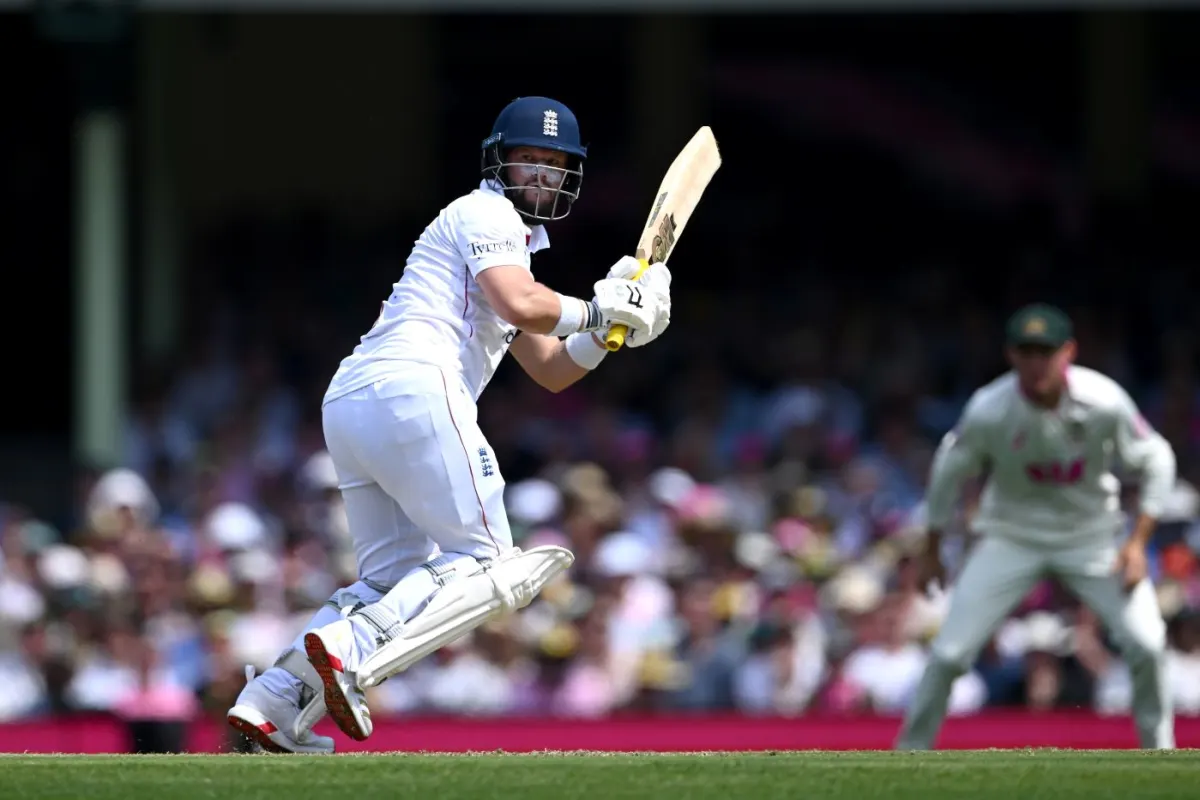
Cricket’s fielding positions are closely connected to batting technique, bowling plans, and match conditions. While some positions are designed primarily to stop boundaries, others can create opportunities for catches or influence the batter’s choice of shot. Fine Leg is one of the most familiar positions on the leg side and has been an important part of cricket strategy across formats. It can be placed close to the wicket for an attacking field or pushed toward the boundary to protect against glances, flicks, hooks, and other leg-side strokes. Understanding Fine Leg helps explain how captains balance run prevention and wicket-taking opportunities.
What Is Fine Leg in Cricket
Fine Leg is a fielding position on the leg side, behind the batter and generally closer to the line of the wicket than Square Leg. The fielder is usually positioned behind square on the leg side, although the exact location can vary depending on the bowler’s plan, batter’s technique, and match situation.
The position is particularly useful for controlling shots that travel behind the batter toward the leg-side boundary. These can include glances from deliveries directed toward the pads, flicks from full balls, hooks against short-pitched deliveries, and various deflections off the bat.
Fine Leg can be positioned relatively close to the batter in an attacking field. In that situation, the fielder may be looking for a catch from a mistimed shot or a deflection. In limited-overs cricket, however, Fine Leg is frequently moved deeper to protect the boundary.
The position is also important because bowlers often use different lines and lengths to influence where the batter can score. A bowler attacking the stumps or pads may rely on Fine Leg to control the resulting leg-side shots.
How Fine Leg Works in a Match
Fine Leg works as part of a larger bowling and fielding plan. When a bowler targets the stumps or the batter’s pads, a well-positioned Fine Leg fielder can restrict shots that would otherwise travel toward the boundary.
For example, a right-arm fast bowler may deliver a full ball toward the batter’s pads. The batter could attempt to flick the delivery through the leg side. If the shot is poorly timed, it may travel directly toward Fine Leg, creating a catching opportunity or allowing the fielder to prevent a boundary.
The position is also important against short-pitched bowling. When a fast bowler delivers a short ball, a batter may attempt a hook or glance toward the leg side. A deep Fine Leg can intercept the ball if it is hit along the ground, while an aerial shot may create a chance for a catch.
Against spin bowling, the position can be used to protect against sweeps, paddles, and deflections. A batter who attempts to manipulate the ball behind square may find the Fine Leg fielder positioned in the intended scoring area.
Captains adjust Fine Leg according to the phase of the match. During a defensive phase, the player may be stationed near the boundary to prevent fours. In a more attacking situation, the fielder can move closer to the batter to create pressure and provide a catching option.
The position also changes according to the batter’s individual habits. If a player frequently flicks deliveries toward fine leg, the captain may move the fielder slightly wider or deeper. If the batter prefers to use unconventional ramps and scoops, the fielder’s position may be adjusted accordingly.
Fielding restrictions in limited-overs cricket can further influence the decision. Captains must consider how many players are permitted outside the inner circle and decide which scoring zones require the greatest protection. Cricket readers interested in broader cricket-related content can also explore the reddy anna book.
Fine Leg in IPL 2026: Real Example
The IPL provides many situations in which Fine Leg becomes an important tactical position. T20 batters are often willing to attempt unconventional strokes, while bowlers regularly vary their pace and line to prevent predictable scoring.
Consider an IPL 2026 situation where a batter is repeatedly attempting to flick full deliveries toward the leg-side boundary. The captain can place Fine Leg deeper and ask the bowler to continue attacking the pads. The batter may still attempt the shot, but a slight misjudgment can result in the ball travelling toward the waiting fielder.
The position becomes even more important when a batter is attempting a hook against short bowling. A powerful hook may clear the boundary, but poor timing can send the ball high toward Fine Leg. An alert fielder can judge the trajectory and complete an important catch.
Fine Leg can also influence the batter’s decision-making. When the fielder is visible near the boundary, a batter may decide to avoid a particular leg-side shot and target another area instead. This gives the bowler an opportunity to change the line and length and build pressure.
During the final overs of a T20 innings, the captain may use Fine Leg alongside Deep Square Leg and other boundary positions. The objective is to cover multiple leg-side angles without leaving obvious gaps that an attacking batter can exploit.
Common Misconceptions About Fine Leg
One common misconception is that Fine Leg and Square Leg are the same position. Both are situated on the leg side, but Fine Leg is generally positioned finer and farther behind square, while Square Leg covers an area closer to being directly perpendicular to the pitch.
Another misconception is that Fine Leg is always placed on the boundary. In reality, the position can be close to the batter when a captain wants an attacking field or a catching opportunity.
Some fans also believe that Fine Leg is used only against fast bowlers. Although pace bowling frequently makes the position valuable, Fine Leg can also be used against spinners when batters are likely to sweep, paddle, or deflect the ball toward the leg side.
Another misunderstanding is that Fine Leg has only a defensive purpose. A fielder positioned in this area can take catches from mistimed hooks, flicks, glances, and other aerial strokes.
The position also does not remain fixed throughout an innings. Captains regularly adjust the fielder according to the batter’s technique, bowling strategy, pitch conditions, fielding restrictions, and required run rate. Readers looking for related platform information can also explore the reddy anna login page.
Why Fine Leg Matters in Modern Cricket
Fine Leg remains relevant because modern batters have expanded the range of shots available on the leg side. Conventional flicks and glances are now joined by ramps, scoops, paddle shots, and controlled hooks. These strokes can place pressure on the captain because the batter may attempt to score behind the wicket without taking a conventional attacking stance.
For bowlers, Fine Leg can therefore become part of a deliberate plan. A captain might place the fielder deep and encourage the bowler to attack the batter’s pads. Alternatively, the fielder can be brought closer when the team is searching for a wicket.
The position requires excellent awareness. A Fine Leg fielder must understand the boundary dimensions, anticipate the likely shot, judge aerial balls, and communicate with the wicketkeeper and other nearby fielders. When positioned deep, the player must also return the ball quickly to prevent batters from completing additional runs.
FAQ
Where is Fine Leg positioned?
Fine Leg is located on the leg side behind the batter, generally finer than Square Leg and often toward the region behind the wicket.
Why do captains use Fine Leg?
It helps control glances, flicks, hooks, sweeps, and other shots that travel behind square on the leg side.
Is Fine Leg common in T20 cricket?
Yes. Fine Leg is frequently used in T20 cricket, especially when bowlers attack the stumps, pads, or use short-pitched deliveries.
Can Fine Leg be a catching position?
Yes. Mistimed hooks, flicks, glances, and other aerial strokes can create catching opportunities for a Fine Leg fielder.
Does Fine Leg always stand deep?
No. The fielder can be placed close to the batter or near the boundary depending on the captain’s tactical plan.
Conclusion
Fine Leg is a versatile fielding position that remains important across all major cricket formats. Located behind the batter on the leg side, it helps control glances, flicks, hooks, sweeps, and creative strokes that travel toward the area behind square. Its exact placement can change significantly depending on the bowler, batter, match situation, pitch, and fielding restrictions.
The position demonstrates how cricket fielding is about more than simply stopping runs. A captain can use Fine Leg to influence the batter’s shot selection, protect a vulnerable scoring area, or create a catching opportunity. A skilled fielder must combine anticipation, athleticism, safe catching technique, and accurate throwing to make the position effective.
From international cricket to the IPL, Fine Leg continues to be a useful component of tactical field setting. Its importance has grown alongside modern batting techniques, particularly as players increasingly use ramps, scoops, hooks, and controlled leg-side strokes. Readers interested in another related resource can also explore laser247.