All Blacks great impressed by 'adjustment' against the Sharks which could leave 'Springboks analysts' confused
· Colin Newboult · 2026-08-12T16:27:55+00:00 · nguồn gốc
Israel Dagg: ‘The difference’ in the All Blacks after making impressive ‘adjustment’ against the Sharks
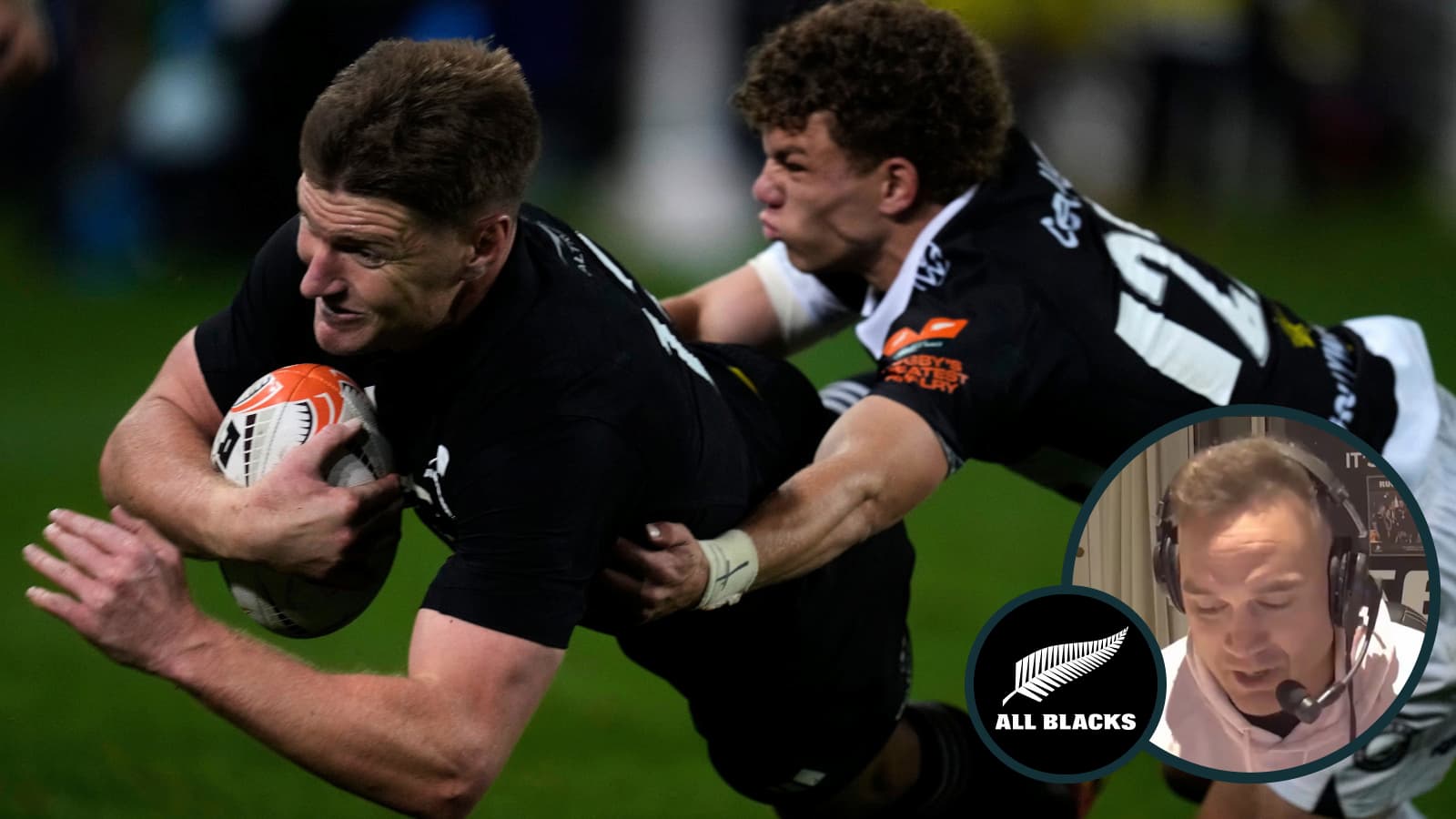
Jordie Barrett, whose kicking game was crucial against the Sharks, in action for the All Blacks and ex-New Zealand star Israel Dagg.
Israel Dagg believes that a change in the All Blacks’ kicking approach was a key factor in their victory over the Sharks on Tuesday.
In difficult conditions, New Zealand were forced to kick more than they would like, but it paid off as they hammered the hosts 54-0 in Durban.
They manipulated the backfield superbly and pinned the Sharks back, which allowed them to control possession and territory.
Jordie Barrett was often the architect, but he was ably supported by Ruben Love and Kyle Preston, who managed to get the All Blacks on the front foot.
All Blacks variety
Dave Rennie wants his side to play an attacking game and move the ball through the hands, but they had to adapt in their second match on Rugby’s Greatest Rivalry tour.
Dagg and Scotty Stevenson discussed the clash on Sport Nation’s Scotty and Izzy show, and the latter thinks the variety New Zealand have shown could cause the Springboks problems ahead of the first Test.
“I think for the All Blacks this was a chance to say, ‘okey dokey, kick the ball lots’. Look at the conditions, use your short kicking game, let’s go through the motions of that and let’s try things perhaps in a tighter contest we wouldn’t try,” Stevenson said.
“Ultimately, I think if you’re the South African analysts at the moment looking at that game, you’re thinking to yourself, ‘is this your tactic for the Test?’ It was different to the tactics we saw against the Stormers, very different.”
Dagg then chimed in, stating that the All Blacks’ kicking game was unpredictable with the Sharks struggling to know when they would put boot to ball.
Isolating the Sharks defenders
“That’s the difference I reckon. Usually in the past you could predict when the kick’s going to happen. The ball is slow, you get to the base of the ruck, they start getting players ready to chase and they kick,” he said.
“The way that they went about it is they were shifting the ball to space, they were getting it to the second, to the third man and that’s when they were putting the grubber back down and you’re isolating that single defender at the back.
“If you do it from that first phase, they’ve got multiple defenders back there and it’s probably easy for them to catch the ball and secure the ball there.
“The biggest adjustment was made with the way they were kicking; they were getting it to the second or third man and putting it to land.”