New species are changing the Adriatic: Croatian scientists launch early-warning system
Croatia Week · Croatiaweek · 2026-08-30T16:31:36+00:00 · nguồn gốc
New species are changing the Adriatic: Croatian scientists launch early-warning system
- by croatiaweek
- in News
Croatian scientists are developing a new monitoring and early-warning system to track non-native species in the Adriatic, some of which could alter marine ecosystems and affect economically important species.
Researchers from the Ruđer Bošković Institute, together with Croatian and Italian partners, are working on the ALIENA project to monitor where foreign species appear, how numerous they are and how quickly they spread.
The project focuses on species that have entered the Adriatic outside their natural range, often through human activity such as ships’ ballast water or organisms attached to ship hulls, the institute said.
Scientists stress that not every non-native species is necessarily invasive. The concern arises when a species establishes itself, spreads and begins to negatively affect native organisms, ecosystems or economic activities.
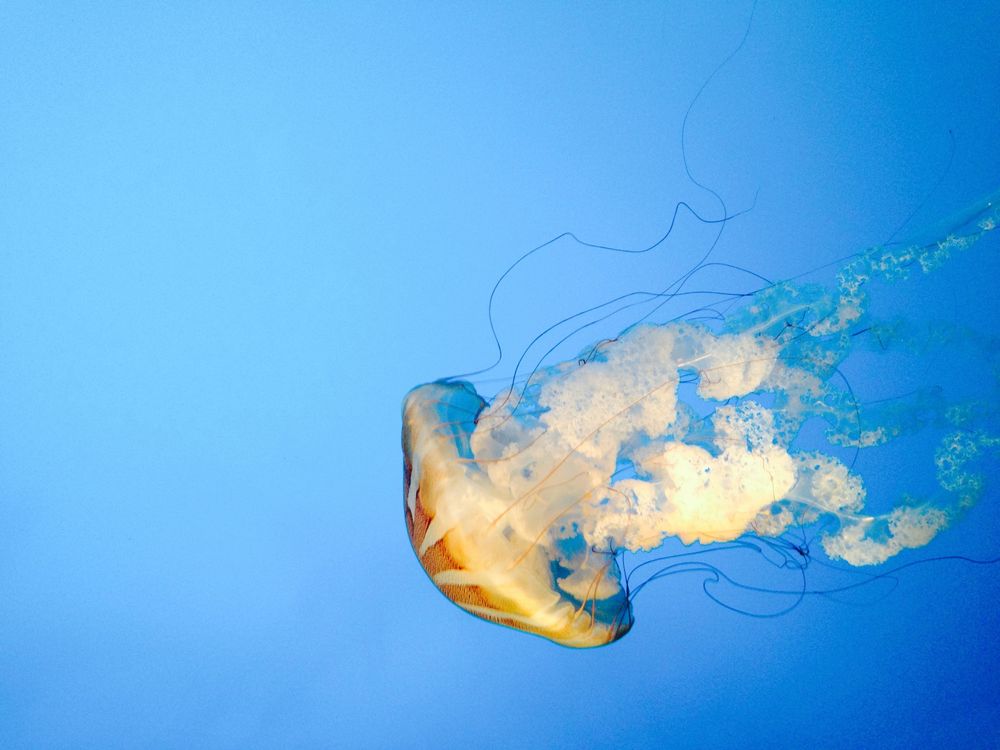
One of the species being closely monitored is the sea walnut, a comb jelly originally from the western Atlantic that is now found in the Adriatic.
Unlike jellyfish, comb jellies have a distinctive transparent appearance and move through the water using rows of cilia. The sea walnut feeds on zooplankton, an important part of the marine food chain.
Researchers say large populations could increase pressure on food resources used by native fish species, including small pelagic fish that have long been important to Adriatic fisheries.
“Invasive species can compete with native Adriatic species for food, habitat and other resources. For example, if they consume the same food source, less remains for native species, which is important for species such as small pelagic fish, a resource that has been used for centuries,” explains Dr Daniela Marić Pfannkuchen from the Centre for Marine Research in Rovinj at the Ruđer Bošković Institute.
The ALIENA project combines field observations with computer modelling to identify environmental conditions that could favour the arrival and spread of particular species.
Researchers have already developed an initial version of forecasting tools, which are being tested against data collected during pilot studies in four Adriatic areas.
The project is also using molecular methods to identify organisms that may be difficult to recognise because of their small size, low numbers or similarity to native species.
“When we find a species in a new location, we get a new point on the map of its spread. If an invasion began in the southern Adriatic, for example, we can track whether it is moving northwards from year to year. For species arriving through ballast water, the pattern can be quite different because they may appear directly in a port and establish a population there,” Marić Pfannkuchen says.
Members of the public can contribute by photographing unusual marine organisms and submitting information about where and when they were spotted through the Crafting the Sea application.
ALIENA is being carried out under the Interreg Italy-Croatia 2021–2027 programme. The project has a total value of €2.62 million, with around €2.1 million financed through the European Regional Development Fund.